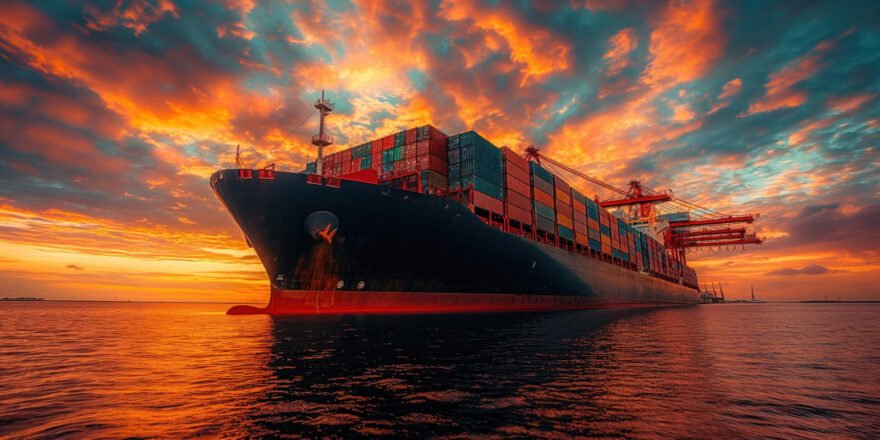
The modern vessel is a floating industrial complex—housing engines the size of buildings, thousands of electrical circuits, complex automation systems, and hundreds of mechanical components working continuously for weeks at sea.
Yet, despite technological advances, Vessel breakdowns remain surprisingly common. Most failures are not caused by extreme weather or catastrophic accidents. Instead, they occur due to small overlooked issues in maintenance, spare parts management, or system monitoring.
Recent maritime incidents show that even minor faults—like a loose wire or an overlooked pump—can escalate into major operational disruptions.
For fleet managers responsible for vessel operability, understanding these hidden failure points is essential.
Electrical System Failures and Power Blackouts
Electrical failures are one of the most dangerous breakdown scenarios at sea because they can disable multiple Vessel systems simultaneously.
Modern vessels rely on electricity for:
- Steering systems
- Navigation equipment
- Engine automation
- Communication systems
- Cargo operations
The container Vessel MV Dali suffered two electrical blackouts while departing Baltimore in March 2024 (Source: https://resolvemarine.com/projects/mv-dali.) The power failure caused the vessel to lose propulsion and steering before it struck the Francis Scott Key Bridge, leading to the collapse of the structure and the deaths of six workers. Investigators later determined the cause was a loose electrical wire in the control system that disrupted power distribution.
This incident highlights a critical lesson: small electrical faults can escalate into catastrophic failures within minutes.
Common causes include:
- Aging wiring systems
- Loose connections in control cabinets
- Generator synchronization issues
- Poorly maintained switchboards
Preventive action:
Fleet managers must prioritize thermal inspections, electrical audits, and spare automation components onboard.
Main Engine Shutdowns
The propulsion engine is the heart of any vessel. When it fails, the Vessel essentially becomes a drifting structure in open water.
In February 2025, the bulk carrier FMG Nicola experienced a sudden main engine shutdown while navigating the Port Hedland channel in Australia (Source: https://www.maritimebell.com/atsb-investigates-fmg-nicola-engine-failure-at-port-hedland. The vessel lost propulsion and began drifting dangerously close to the sides of the channel until tugboats stabilized it and the engine was restarted.
Even though no damage occurred, such failures can easily lead to:
- Groundings
- Channel blockages
- Collisions with infrastructure
Typical overlooked causes include:
- Fuel system contamination
- Faulty injectors or fuel pumps
- Crankshaft lubrication problems
- Sensor failures triggering automatic shutdown
Preventive action:
Maintain a robust inventory of critical engine spares, including fuel pumps, injectors, sensors, and lubrication components.
Cooling System Failures
Marine engines operate under extreme thermal loads. Without effective cooling, components quickly overheat, leading to shutdowns or fires.
Plate heat exchangers, seawater pumps, and cooling valves are particularly vulnerable to:
- Marine fouling
- Corrosion
- Blockages
If the cooling system fails:
- Engine temperatures spike
- Lubrication breaks down
- Components warp or seize
Cooling system failures are often overlooked because they degrade gradually before causing a major breakdown.
Preventive action:
Routine inspection of:
- Plate heat exchangers
- Seawater strainers
- Cooling pumps
- Temperature monitoring sensors
Engine Room Fires from Mechanical Failure
Mechanical failures inside the engine room can quickly escalate into fires.
The Lithuanian registered ro-ro cargo vessel Finlandia Seaways suffered a catastrophic main engine failure where a broken connecting rod inside the main engine triggered an intense engine-room fire after components were thrown through the crankcase. This was way back in 2018.
Such incidents often result from:
- Metal fatigue
- Improper lubrication
- Poor vibration monitoring
- Lack of predictive maintenance
Engine room fires remain among the costliest maritime incidents, often requiring evacuation or vessel abandonment.
Preventive action:
Use condition monitoring tools such as:
- Vibration analysis
- Oil analysis
- Predictive maintenance systems
Flooding and Water Ingress
Water ingress is another silent threat.
In July 2025, the passenger ferry KMP Tunu Pratama Jaya suffered flooding in its engine room. The water ingress caused a complete power outage, after which the vessel lost stability and capsized in rough seas.
Engine room flooding typically results from:
- Failed seals or valves
- Hull damage
- Pipe ruptures
- Cooling system leaks
Once flooding reaches critical levels, Vessels can lose:
- Propulsion
- Electrical power
- Stability
Preventive action:
- Regular hull inspections
- Bilge monitoring systems
- Spare pumps and sealing components onboard
Mechanical Failures Leading to Loss of Control
Mechanical faults in propulsion or steering systems can quickly turn vessels into navigation hazards.
In 2025, a container Vessel in the Çanakkale Strait in Turkey suddenly lost power due to mechanical failure and had to be towed to safety by rescue tugs.
Strait navigation is particularly risky because:
- Traffic density is high
- Manoeuvring space is limited
- Currents can push powerless Vessels into hazards
Preventive action:
- Redundant steering systems
- Spare hydraulic components
- Real-time propulsion monitoring
Poor Spare Parts Management
Many vessel breakdowns occur not because a failure was unavoidable but because the correct spare part was not onboard.
Vessels operating globally may wait days or weeks for specialized components.
Without proper spare planning, fleet managers face:
- Vessel downtime
- Emergency procurement costs
- Charter penalties
- Safety risks
A structured marine spare parts strategy should include:
- Critical equipment failure mapping
- Minimum onboard spare inventories
- OEM-approved components
- Trusted marine spare suppliers
The Real Cost of Vessel Breakdowns
Vessel failures rarely occur in isolation. A small mechanical fault can escalate into:
- Environmental damage
- Cargo loss
- Port disruptions
- Multi-million-dollar repairs
For example, when a container vessel sank off Kerala in 2025, it released fuel and hazardous containers into the sea, triggering a large environmental response operation.
This illustrates how maintenance gaps can quickly become environmental and financial crises. Vessels rarely fail because of a single catastrophic event.
Most breakdowns are caused by overlooked operational risks, including:
- neglected electrical systems
- insufficient engine monitoring
- aging cooling components
- poor spare parts planning
For fleet managers, the goal is not just fixing failures—but preventing them through proactive maintenance and smarter spare management.
Investing in dependability today ensures:
- Safer voyages
- Lower operational costs
- Reduced downtime
- Stronger fleet performance.
Navallance is your trusted partner who work hand-in-hand to reduce failures and have a smooth sailing.