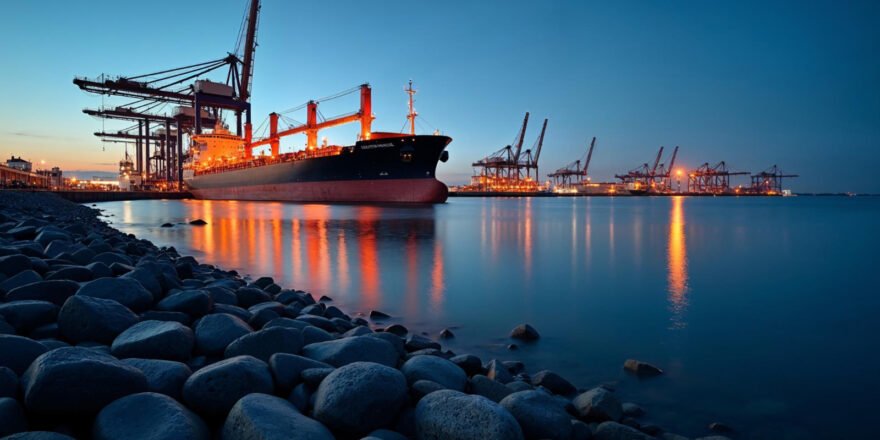
The maritime industry is the backbone of global trade. Over 90% of global trade is transported by sea. Yet, for many years, shipping and marine operations relied on manual processes, paperwork, and reactive maintenance.
Today, digitalization is changing everything, from how vessels are operated to how ports, suppliers, and fleet managers work together.
In simple terms, digital tools enable vessels to work smarter, faster, safer, and at lower cost.
This blog explains how digitalization boosts maritime productivity, with real-world examples from daily marine operations.
What Is Digitalization in the Maritime Industry?
Digitalization is the use of digital technologies, data, and software to enhance operations. In shipping, this includes:
- Smart sensors on vessels
- Fleet management software
- Digital spare parts platforms
- Predictive maintenance tools
- Electronic documentation
- Real-time vessel tracking
By digitalizing, instead of guessing or reacting to problems, vessel operators can make decisions based on live data.
Real-Time Vessel Monitoring Improves Operational Efficiency
Modern vessels are fitted with IoT sensors that track engine performance, fuel consumption, temperature, vibration, and pressure. A shipping company may use engine monitoring software to track fuel usage across its fleet. When one vessel shows higher fuel consumption than normal, engineers identify a fouled filter early, before it causes engine damage.
Thus, there is a reduction in fuel costs, fewer breakdowns, and voyage planning can be better. This real-time visibility allows operators to act before problems become expensive delays.
Predictive Maintenance Reduces Downtime
Traditional maintenance is either reactive (fix after failure), or scheduled (fixed intervals, even if not needed). Digitalization introduces predictive maintenance, where systems analyze data and predict failures in advance.
For example, bulk carriers use vibration sensors on its auxiliary engines. The system detects abnormal patterns and alerts the crew weeks before a bearing failure. This allows for zero emergencies or breakdowns at sea, significant savings on repair costs, and maintenance is smoothly done during post stay. This approach directly boosts vessel availability and productivity.
Digital Spare Parts Management Speeds Up Procurement
Finding the right marine spare parts used to take days with many emails, calls, part number confusion, and paperwork mounting.
Digital platforms now allow:
- Uploading equipment details or photos
- Matching parts using AI and databases
- Faster quotations and order processing
Even if a vessel’s chief engineer needs a fuel pump but doesn’t have the part number, he can upload the equipment nameplate photo on a digital marine platform. The correct spare is identified within hours.
This ensures faster delivery, reduced vessel downtime and less stress for onboard crew. Digital spare sourcing keeps vessels operational and on schedule.
Paperless Documentation Saves Time and Avoids Errors
Shipping involves massive documentation, certificates, invoices, bills of lading, inspection reports, and manuals. A vessel operator can use electronic logbooks and digital certificates. During port state control inspections, documents are shared instantly via tablets. Paperless systems improve both productivity and transparency, and
- Reduces manual errors
- Saves administrative time
- Improves compliance
- Faster inspections
- Fewer penalties
- Better regulatory compliance
Smart Ports Increase Turnaround Speed
Ports are also embracing digitalization through automated cranes, AI-powered berth planning and digital gate systems. In real-time, a smart port uses AI to assign berths based on vessel size, arrival time, and cargo type. Trucks receive digital entry slots, reducing congestion. Smart ports directly support faster vessel turnaround, which improves fleet productivity and ensures
- Faster cargo handling
- Reduced waiting time for vessels
- Lower fuel consumption
Crew Efficiency and Safety Through Digital Tools
Digital systems help crew members by reducing manual reporting, providing real-time alerts, and offering digital training modules. For example, a tanker uses a digital safety management system. Crew members report near-miss incidents through a mobile app, which management reviews instantly.
This assures:
- Improved safety culture
- Fewer accidents
- Better crew morale
- A safer crew
Fuel Optimization and Emission Reduction
Fuel is one of the highest costs in shipping. Digital voyage optimization tools analyze weather data, sea conditions, and speed and route. Digitalization supports both profitability and sustainability because a vessel adjusts speed based on real-time weather analytics to avoid rough seas. This reduces fuel burn and engine stress, and results in:
- Lower operating costs
- Reduced carbon emissions
- Compliance with IMO regulations
Challenges in Maritime Digitalization
While benefits are clear, challenges include:
- High initial investment
- Crew training requirements
- Cybersecurity risks
However, the long-term productivity gains far outweigh the challenges, especially as technology becomes more affordable.
The Future of Digital Maritime Operations
The future will see:
- AI-driven fleet management
- Autonomous vessel support systems
- Blockchain-based shipping documents
- Fully integrated supply chains
Companies that adopt digital tools early will stay competitive, reduce costs, and operate more efficiently.
Digitalization Is No Longer Optional
Digitalization is transforming the maritime industry from reactive to proactive, from manual to intelligent. From real-time monitoring and predictive maintenance to smart ports and digital spare parts sourcing, technology is boosting maritime productivity at every level.
For vessel owners, operators, and marine suppliers, embracing digitalization is no longer a choice but a necessity to stay efficient, profitable, and future-ready.