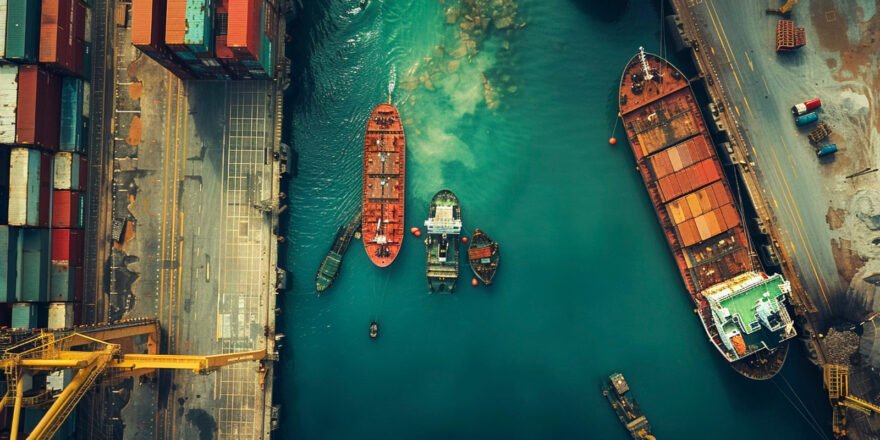
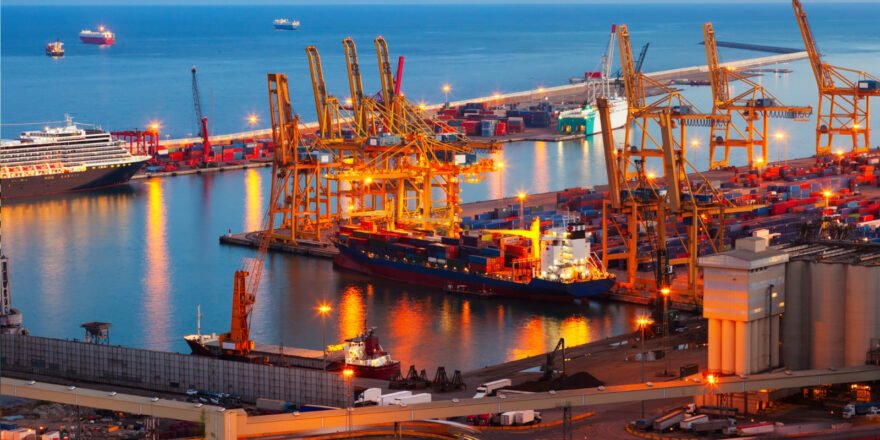
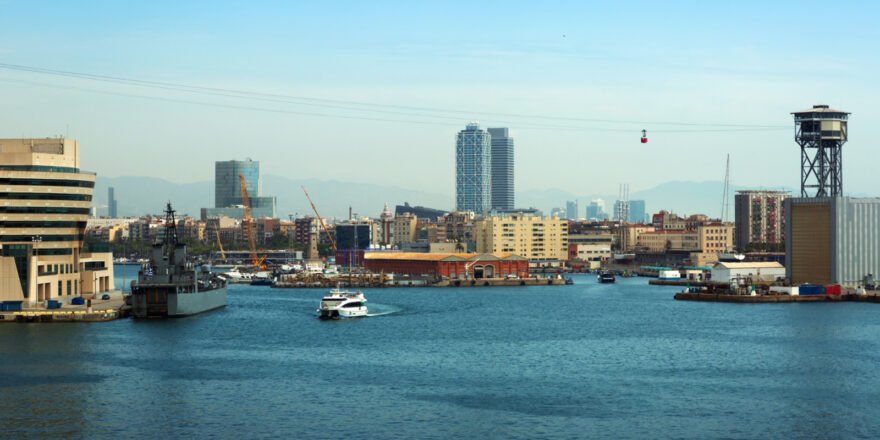
India is finally treating maritime capacity as a strategic economic asset, not just another line item in logistics.
The government’s plan to infuse fresh capital into the Shipping Corporation of India (SCI) marks a decisive shift. This is not just about expanding tonnage or replacing older vessels. It is about building control over trade routes, freight costs, and national logistics resilience.
Maritime as a Financial Strategy
Global shipping is cyclical. It moves with oil prices, trade volume, and geopolitical winds.
For years, Indian shipowners stayed conservative, relying on charter markets and foreign-flag carriers to move critical cargo. But as freight volatility continues and global supply chains shift, controlling one’s fleet becomes a financial hedge, not just an operational choice.
A 2025 ScienceDirect study on ship investment patterns found that nations actively reinvesting in maritime assets during downturns outperform those waiting for stability.
In simple terms, ownership in shipping is long-term leverage.