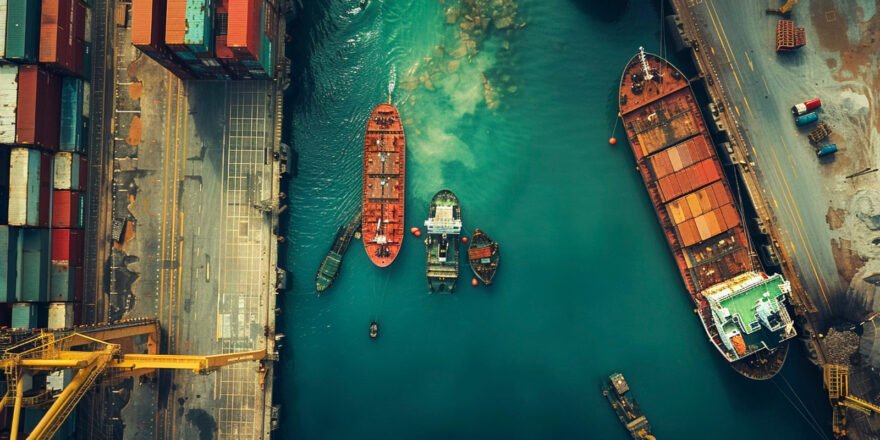
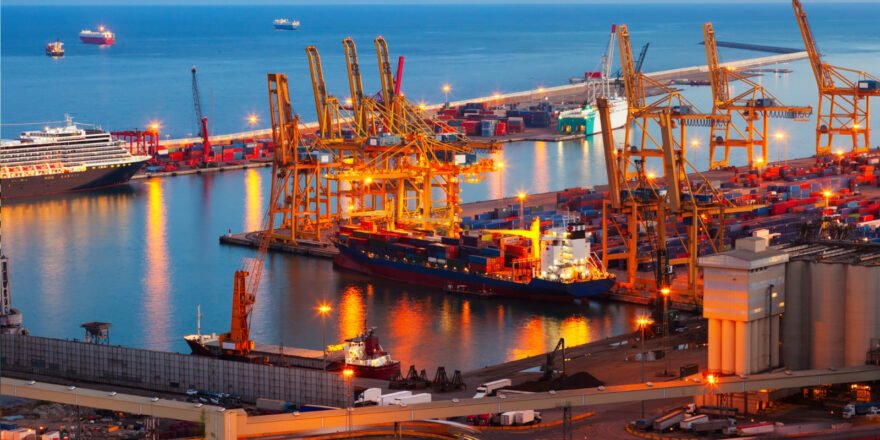
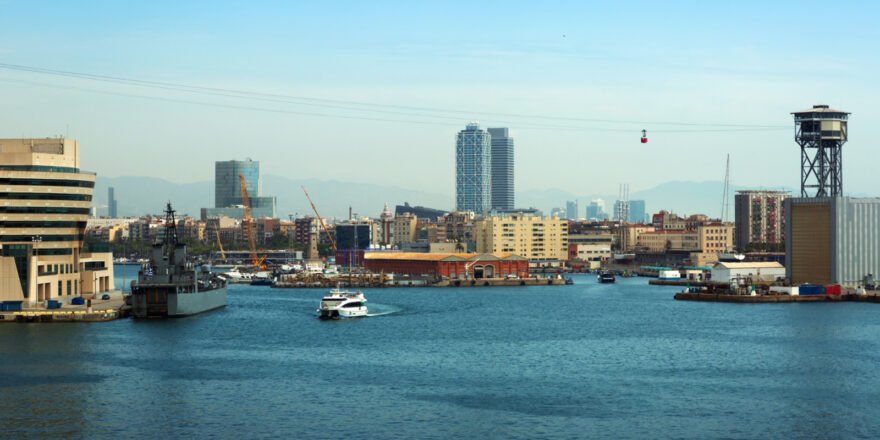
The maritime industry has entered a phase of rapid transformation, driven by technology, sustainability goals, and changing global trade patterns. Once known for its conservative approach to change, the sector is now actively embracing innovation to improve efficiency, safety, and environmental performance. From vessel design to port operations, the future of maritime is becoming smarter, cleaner, and more connected.
What shapes the marine industry?
One of the strongest forces shaping the industry is the global push toward decarbonization. Stricter environmental regulations, rising fuel costs, and pressure from cargo owners are accelerating the adoption of alternative fuels, energy-efficient vessels, and greener operating practices. At the same time, digital technologies such as automation, data analytics, and AI are redefining how vessels are operated and maintained, enabling better decision-making and reduced downtime.
With sustainability and digitalization, shifts in global trade and supply chain resilience are influencing how maritime businesses plan for the future. Ports are evolving into smart logistics hubs, while vessel owners and operators are focusing more on flexibility, transparency, and risk management. Together, these trends signal a maritime industry that is not only adapting to change but actively steering toward a more resilient and future-ready horizon
Key Trends Shaping the Future of the Maritime Industry
The maritime industry is going through a major transformation. Digital tools, smarter vessels, stricter regulations, and sustainability goals are reshaping how vessels are designed, operated, and maintained. Below are the most important trends every maritime professional should understand.
Digitalisation of Maritime Operations
Digitalisation is changing how maritime operations are planned, monitored, and managed. Shipping companies are increasingly using digital platforms for fleet management, voyage planning, fuel monitoring, and documentation.
Real-time data helps operators make faster and better decisions. Tasks that once took days—such as reporting, inventory tracking, or performance analysis—can now be completed instantly. Digitalisation also reduces paperwork, human error, and operational delays, making vessels more efficient and cost-effective.
Cybersecurity in the Maritime Industry
As vessels become more connected, cybersecurity has become a serious concern. Modern vessels rely on software systems for navigation, communication, cargo handling, and engine control. These systems can be vulnerable to cyberattacks if not properly protected.
A cyber incident can disrupt operations, compromise safety, or cause financial losses. As a result, shipping companies are investing in cybersecurity measures like secure networks, crew training, system updates, and compliance with international cyber risk guidelines. Cybersecurity is no longer optional—it is a core part of maritime safety.
Automation and Smart Vessels
Automation is steadily increasing on board vessels. Smart vessels use sensors, software, and automated systems to support navigation, engine performance, and cargo operations.
Automation reduces manual workload, improves accuracy, and enhances safety by minimizing human error. Features like automated engine monitoring, smart navigation assistance, and remote diagnostics allow crews to focus on critical decision-making rather than routine tasks. In the future, semi-autonomous and remotely operated vessels may become more common.
Predictive Maintenance and Asset Reliability
Predictive maintenance is transforming how marine equipment is maintained. Instead of relying only on fixed service intervals, vessel operators now use data from sensors to monitor equipment condition in real time.
This approach helps detect potential failures before they happen. Predictive maintenance reduces unexpected breakdowns, lowers repair costs, and improves vessel uptime. Dependable assets mean fewer delays, safer operations, and longer equipment life—making this trend highly valuable for vessel owners and operators.
Changing Regulations and Compliance Requirements
Maritime regulations are evolving rapidly to address safety, environmental protection, and digital risks. International bodies such as the IMO regularly introduce new rules related to emissions, fuel use, cybersecurity, and reporting standards.
Compliance is becoming more complex, requiring better documentation, monitoring systems, and training. Digital tools are helping companies track regulatory requirements and ensure vessels remain compliant across different regions and ports.
Decarbonisation and Sustainable Shipping
Decarbonisation is one of the biggest challenges facing the maritime industry today. Shipping companies are under pressure to reduce greenhouse gas emissions and adopt more sustainable practices.
This includes using cleaner fuels, improving energy efficiency, optimizing routes, and investing in new vessel designs. Technologies such as alternative fuels, energy-saving equipment, and emission monitoring systems are gaining importance. Sustainable shipping is also about long-term cost savings and environmental responsibility.
The maritime industry is entering a new era driven by digitalisation, automation, sustainability, and smarter decision-making. Companies that embrace these changes will be better prepared to improve efficiency, ensure compliance, reduce risks, and remain competitive in a rapidly evolving global market.
Navallance is your trusted marine spare parts supplier worldwide, delivering quality, reliability, and performance at sea. We support vessel owners and operators with genuine parts and fast global delivery to keep operations running smoothly.